|
Wisdom of the Day
|
| ...daily updates... | |
Qalinkaa wax suureeya,
Kugu sima halkaad doonto,
Saaxiib kal furan weeye,
Sunto fara ku hayntiisa,
Weligaa ha sii deynin.
"Sahra" - M I W Hadraawi suugaan |
|
|
 |
|
Sheeko iyo Shaahid: Baratan Suugaaneed – 2015 Tartankii 8aad
Bandhig
Seeska Hiddaha iyo Dhaqanka ee “Redsea” iyaga oo duulaya fikradda aasaaska u ah ee ah jiritaankooda oo ah inay ka qayb-qaataan wax kasta oo horumarinaaya taabbagelinta dhigista, fidinta hiddaha iyo suugaanta; xoojinta fanka iyo farshaxanka; baahinta dhaqanka qorista iyo akhriska iyo gaar ahaan kobcinta qoraalka Af-Soomaaliga, waxa ay soo bandhigayaan Kulankii Siddeedaad ee ku baratanka Sheeko Curinta Toolmoon, "Sheeko iyo Shaahid".
|
|
Redsea Cultural Foundation is recruiting motivated and talented candidate, and hereby announcing a new position for Art Administration and Finance Management. Application details. Deadline for application 12.00PM Saturday 21 March 2015
Seeska Hiddaha iyo Dhaqanka ee "Redsea" waxa ka bannaan jago loo doonayo qof dadaal badan, karti shaqo leh, aqoon u leh oo jecel dhaqanka iyo fanka, waxana halkan lagu baafinayaa jago madaxa Maamulka, Maaraynta iyo Xisaabaadka. Warbixin dheeraad ah. Is diiwaangelintu waxa ay dhacaysaa 12.00 duhurnimo Sabtida 21ka Maarj, 2015
[English | Somali]
|
|
In December 2014, the Hargeysa Cultural Center launched a temporary display of rare books on Somaliland, Somalia and Djibouti. This collection of rare books focuses in particular on publications from the colonial era, and comprises books donated to the library by friends from different countries. Through this exhibition and other similar activities, we hope to raise awareness (amongst researchers, students, ordinary citizens, etc....) about the books that are available to the public in our library.
See selected titles from the books in display
|
|
Dhaxalreeb series / Taxanaha Dhaxalreeb I/2015:
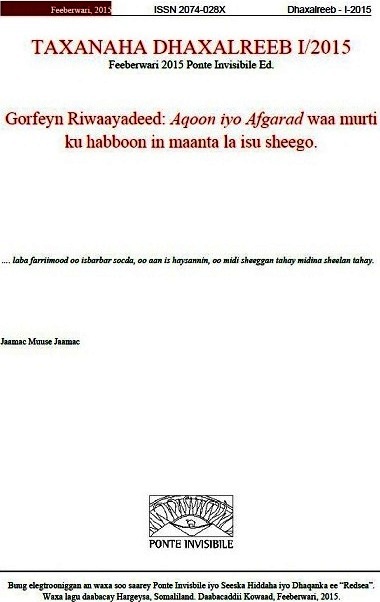
1972kii koox xilligaaba hormuud ka ahayd carinta maskaxda dadwaynaha, kuna sugnayd Kulliyaddii Waxbarashada ee Lafoole, ee Jaamacadda Ummadda Soomaaliyeed, ayaa curisey riwaayad wax wayn ka beddeshay habkii masrixiyadda loo dhigi jirey. Riwaayaddaasi waxa ay ahayd Aqoon iyo Afgarad, waxana wada allifey Maxamed Ibraahin Warsame “Hadraawi”, Siciid Saalax Axmed iyo, Alle ha u naxariistee, Maxamed Xaashi Dhamac “Gaarriye” iyo Muuse Cabdi Cilmi “Muuse Gadhle”.
|
|
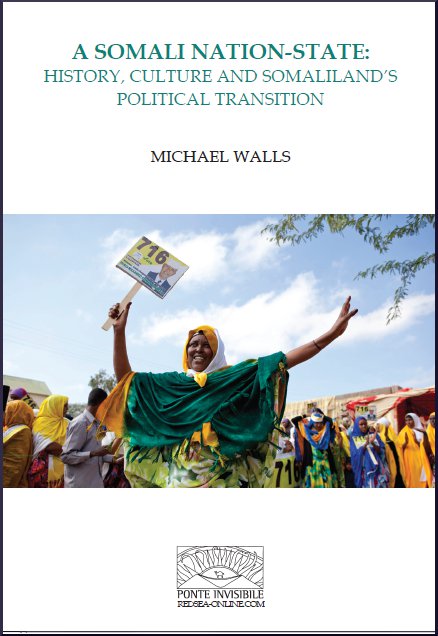 Based on Walls’ long-standing engagement with the Horn of Africa, this book offers a comprehensive and fine-tuned account of the current political landscape of the Somali regions, with a particular focus on Somaliland. It details the country’s transition to the current multi-party democracy, and the formation of a hybrid system based on both consensus and representative decision making processes. Somalilanders’ impressive ability to manage crises, often at the last moment, and their careful negotiation of nation-state politics and Somali custom are painstakingly examined, offering a powerful counter-narrative to that of the ‘failed state’ that tends to dominate the region. Walls’ analysis of the successes and challenges that lie ahead resonate beyond Somaliland. This book is an essential read for researchers, policy-makers and practitioners with an interest in governance and politics in the region.
|
|
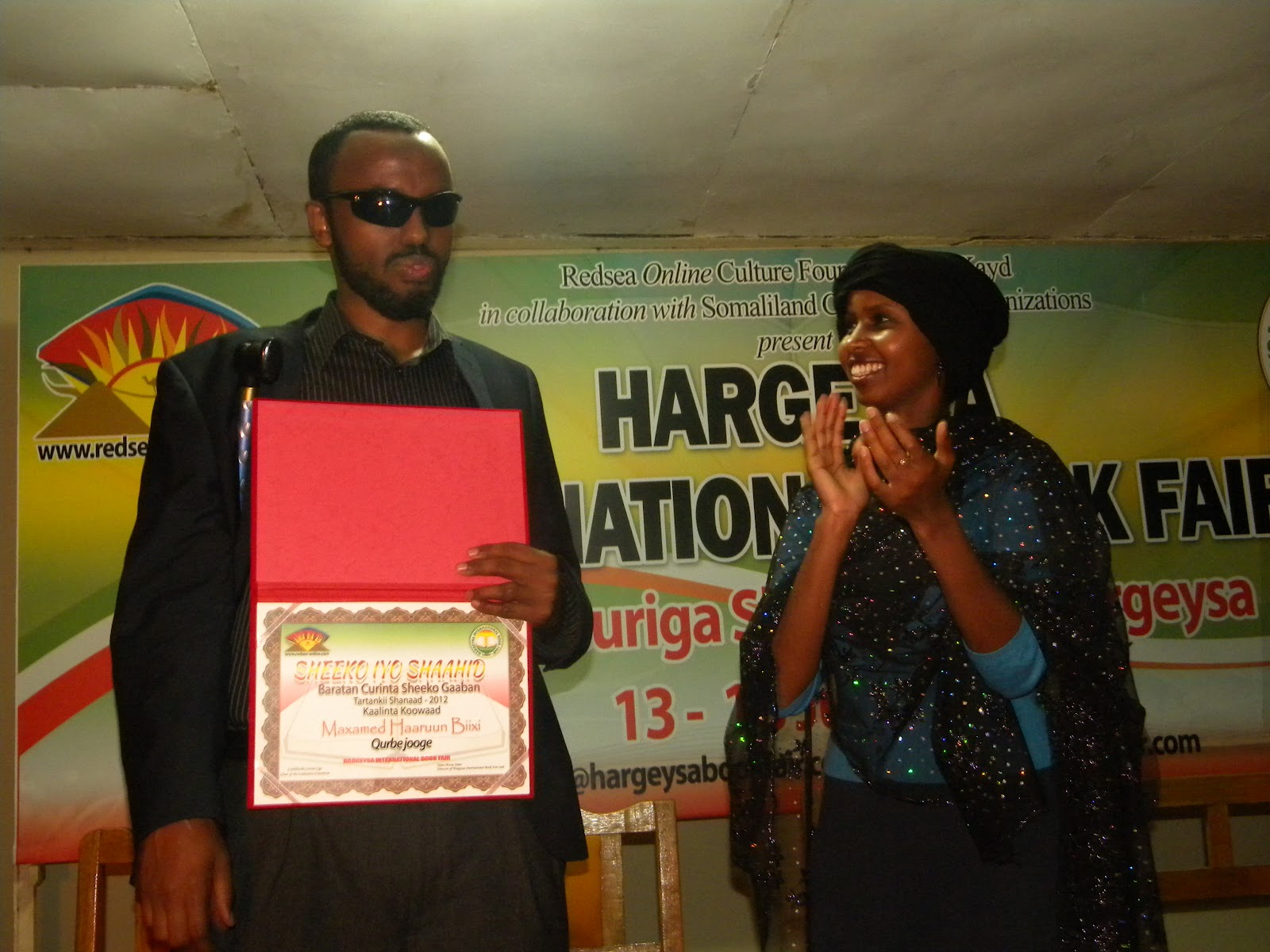
Sheeko iyo Shaahid: Baratan Suugaaneed – 2014
Tartankii 7aad
Redsea Culture Foundation iyaga oo ka duulaya fikradda aasaaska u ah ee ah jiritaankooda oo ah inay ka qayb-qaataan wax kasta oo horumarinaya taabbagelinta dhigista, fidinta hiddaha iyo suugaanta; xoojinta fanka iyo farshaxanka; baahinta dhaqanka qorista iyo akhriska iyo gaar ahaan kobcinta qoraalka Af-Soomaaliga, waxa ay maalin gaar ah u qoondeeyeen soo bandhigista go'aammada kulankii toddobaad ee ku baratanka sheeko curinta toolmoon, "Sheeko iyo Shaahid."
|
|

Photography is one of the most powerful and immediate ways of sharing stories with people across the world, as well as being one of the currently desired professions rapidly gaining grounds. Hargeysa International Book Fair announces its second creative photography training sessions prior to the opening of the Book Fair. The training sessions will take place at the new Hargeysa Cultural Center.
The training sessions will be delivered by our guest Kate Stanworth assisted by former 2013 trainee Mustafe Saeed. Kate is a London based documentary photographer who travelled to Somaliland for the first time in 2012 to photograph the local elections. She returned to exhibit her work in 2013 at the Hargeysa International Book Fair, where she delivered a series of photography workshops. Her photos of Somaliland featured on the BBC website and BBC World TV. Kate works in association with PROEXPOSURE, an organisation that trains aspiring photographers and filmmakers from every corner of the world, empowering them to tell their own stories from their own unique perspectives.
This course is designed for photography enthusiasts and those who might use photography as part of their work, including journalists, NGO workers and aspiring artists. It includes an introduction to different forms of photography, guidance on how to take good photographs, practical portrait sessions and a self-led assignment which will be evaluated within the group. Past students have gone on to exhibit their work in a London gallery.
|
|
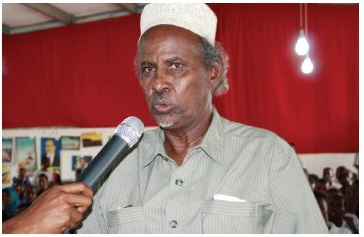 The late Ahmed Shiekh Jama, best known as a poet and public intellectual, was regular contributor to HIBF and a special friend of our team. Just two years ago we published his first book as part of our Curisyo (Essays) series. “Cadli doonaha daal Allaa baday”, a novel inspired by works of George Orwell, which is an allegorical reflection and commentary on contemporary Somali political affairs.
His original allegorical Orwellian narration, on which his book is based, is titled as “Shirwaynahii Xayaanka Soomaaliyeed, 1988” (The Great Assembly of Somali Animals, 1988), and is Orwellian like story where Somali nature of politics is narrated through animals.
Ahmed was expected to take the platform of this year’s HIBF, to read selections from his poetry collection and share with festival participants his thoughts and concerns. We all of us miss him very much, may Allah rest his soul in peace.
|
|
Sheeko iyo Shaahid: Baratan Suugaaneed:
Tartankii 7aad
Bandhig
Redsea Culture Foundation iyaga oo duulaya fikradda aasaaska u ah ee ah jiritaankooda oo ah inay ka qayb-qaataan wax kasta oo horumarinaaya taabbagelinta dhigista, fidinta hiddaha iyo suugaanta; xoojinta fanka iyo farshaxanka; baahinta dhaqanka qorista iyo akhriska iyo gaar ahaan kobcinta qoraalka Af-Soomaaliga, waxa ay soo bandhigayaan Kulankii Toddobaad ee ku baratanka Sheeko Curinta Toolmoon, "Sheeko iyo Shaahid".
Sheekooyinka ka soo qaybgalayaa ma aha isku jeeddo e mawduuca sheekadu ku socoto waxa u madax bannaan qoraaga. Waxa se sannadkan lagu dheerrigelinayaa in qoraagu ku saleeyo sheekadiisa mawduuca sannadkan ee Bandhigga Caalamiga ah ee Buugaagta Hargeysa oo sannadkan ah “Imagination” (“Suureynta” ama “Malaynta”).
Waxa kale oo sannadkan cusub baratanka qayb u gaar ah hablaha. Waxa la iclaamin doonaa kaalinta kowaad, labaad iyo saddexaad ee baratanka guud rag iyo dumarba, sida ku qeexan qodobka 9aad, iyo kaalinta kowaad, labaad iyo saddexaad ee baratanka hablaha iyaga u gaarka ah oo si gaar ah loogu hambalyayn doono. Habluhu way ka qayb galayaan, sidaa darteed, labada baratanba.
Waxa halkan ku lifaaqan xeerka Sheeko iyo Shaahid ee sannadkan 2014.
|
|
 Xuska Qaran ee Maalinta Dhallinyarada Somaliland – 20 Feeberwari
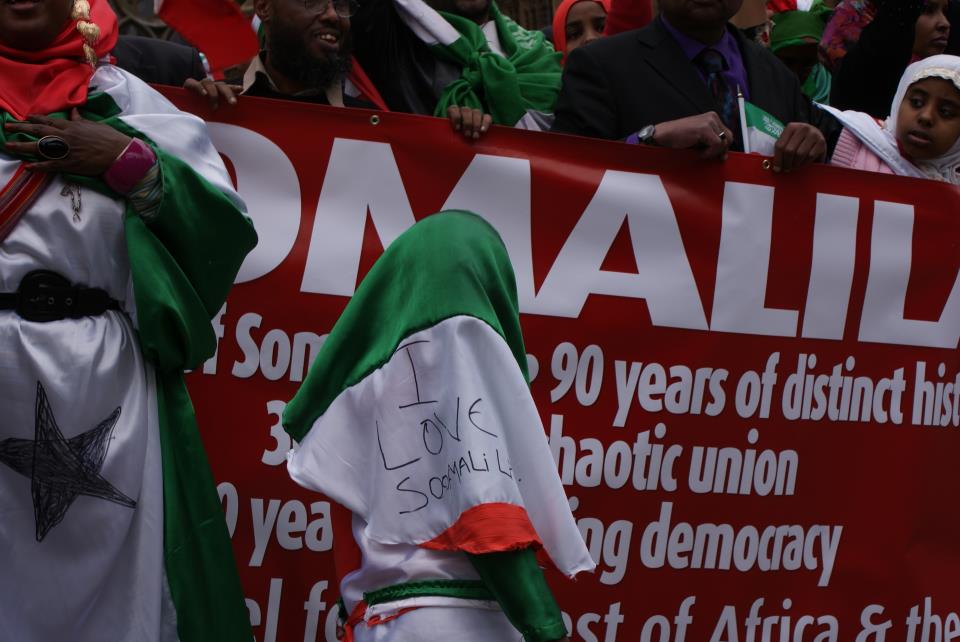
Dhallinyarada Somaliland ee ku nool magaalada Landhan waxa ay kugu martiqaadayaan in aad kala soo qayb gasho xuska Maalinta Dhallinyarada Somaliland oo ku beegan Khamiista 20ka Feeberwari. Kulankani waxa uu ka dhici doonnaa daarta Oxford House ee bariga magaalada Landhan, 6da fiidnimo. Waxa lagaga hadli doonnaa ahaanshaha iyo kobcinta qaran ee Somaliland, waxa na madasha ku wada hadli doonna dhallinyaradii shalay iyo kuwa maanta. Meelo kale oo laga xusayo maalintan ayaa lala xidhiidhsiin doonnaa doodaha.
|
|
|
Social Community
| Join us today |
There are currently, 202 guest(s) and 0 member(s) that are online.
Don't have a REDSEA account yet? You can create one. It is a free!
|
Editor Pick
|
| A brilliant work co-ordinated through many continents
by Rhoda A. Rage. Read it more |
|
|
|